
Afterglow’s Picks for the Best Albums of 2025
The Afterglow staff has come together to curate our favorite 2025 albums, which had us dancing to mesmerizing production, crying to powerhouse vocals, contemplating the most introspective of lyrics, and everything in between.
Written by Afterglow Editors
Illustrated by Yubin Kim
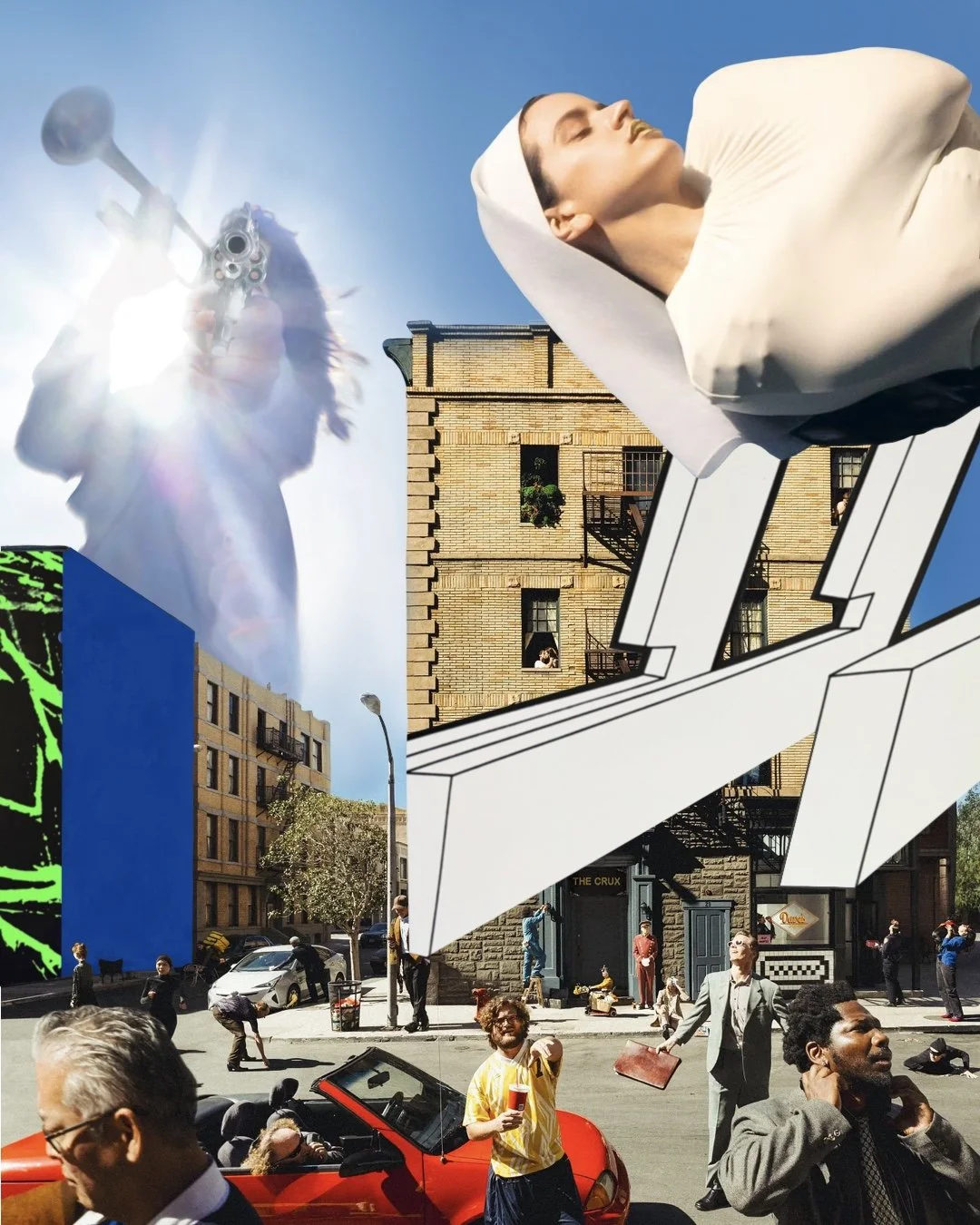
LUX by Rosalía
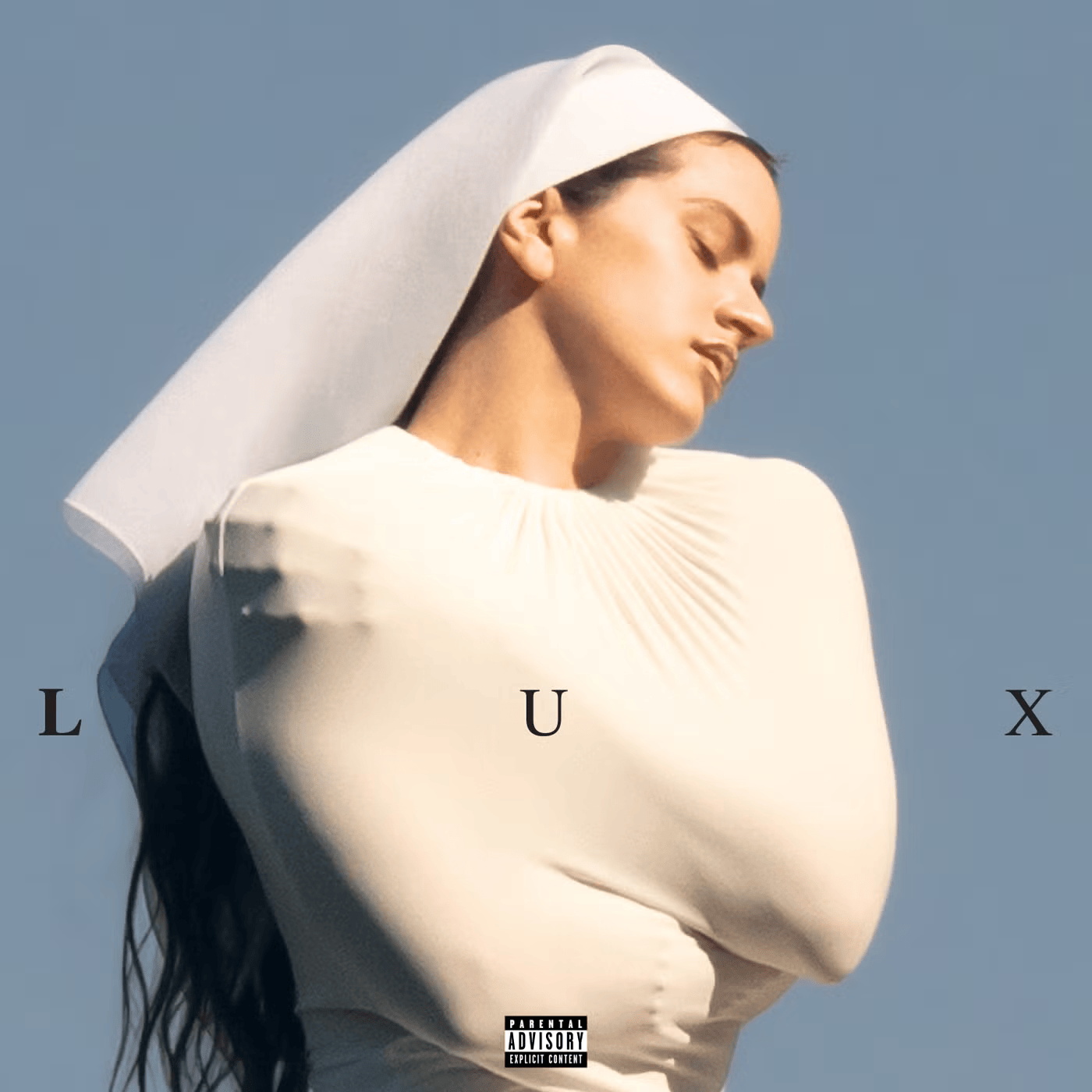
The Spanish songstress’ fourth album Lux is an artistic feat for many reasons: for its hybrid symphony of genres, its lyrical weaving of 13 languages, and its ability to connote its themes of restless loss, devotion, and transformation to listeners of any native tongue. The lead single “Berghain” exemplifies such virtuosity — classical strings and a German children’s choir usher listeners into the world of Lux. Patched features from Björk and Yves Tumor mimic an odyssey through waves of pain and pleasure, much like what could be found at the famed German nightclub that gives the song its title. “Yo sé muy bien lo que soy / Ternura pa'l café / Solo soy un terrón de azúcar” (“I know very well what I am / Tenderness for coffee / I'm just a sugar cube”), Rosalía admits in the song’s Spanish verse, toiling with her lack of identity in an overbearing relationship. In “Porcelana,” another classical intro melts into numbing dissonance and cinematic strings for the fitting lyric, “El placer anestesia mi dolor / El dolor anestesia mi placer” (“Pleasure numbs my pain / Pain numbs my pleasure”). The album title shines through in the Latin hook: “Ego sum nihil / Ego sum lux mundi” (“I am nothing / I am the light of the world”), which speaks to the album’s traversing of Catholic themes, from its album cover to its lyrics, as a vessel for metamorphosis. A fan favorite, “La Perla,” comes at the core of the album. The breakup song erupts in a blazing, jeering triumph. Over a bumbling waltz, Rosalía revels in shaming her ex as “La decepción local / Rompecorazones nacional / Un terrorista emocional / El mayor desastre mundial ” (“The local disappointment / National heartbreaker / An emotional terrorist / The greatest disaster worldwide”). The singer ends her journey of self-determination with the greatest transformation of all: death. In “Magnolias,” she sheds the instrumental luxury of London Symphony Orchestra and holds the last lines on her own, singing, “Hoy me convierto en polvo / Pa' volver con ellas” (“Today I turn to dust / To return with them”), a play on the Catholic adage, “Remember you are dust and to dust you shall return.” While she started the record with the worldly evocations of “Sexo, Violencia y Llantas” (“Sex, Violence and Tires”), she ends knowing well that the material world was not enough and that her only taste of light is in leaving it. For an album so steeped in traditions, Lux revitalizes the sanctity of the album as a continuous artwork and refreshingly reflects the meticulousness that it takes to create a masterpiece. — Janie Bickerton
Tranquilizer by Oneohtrix Point Never
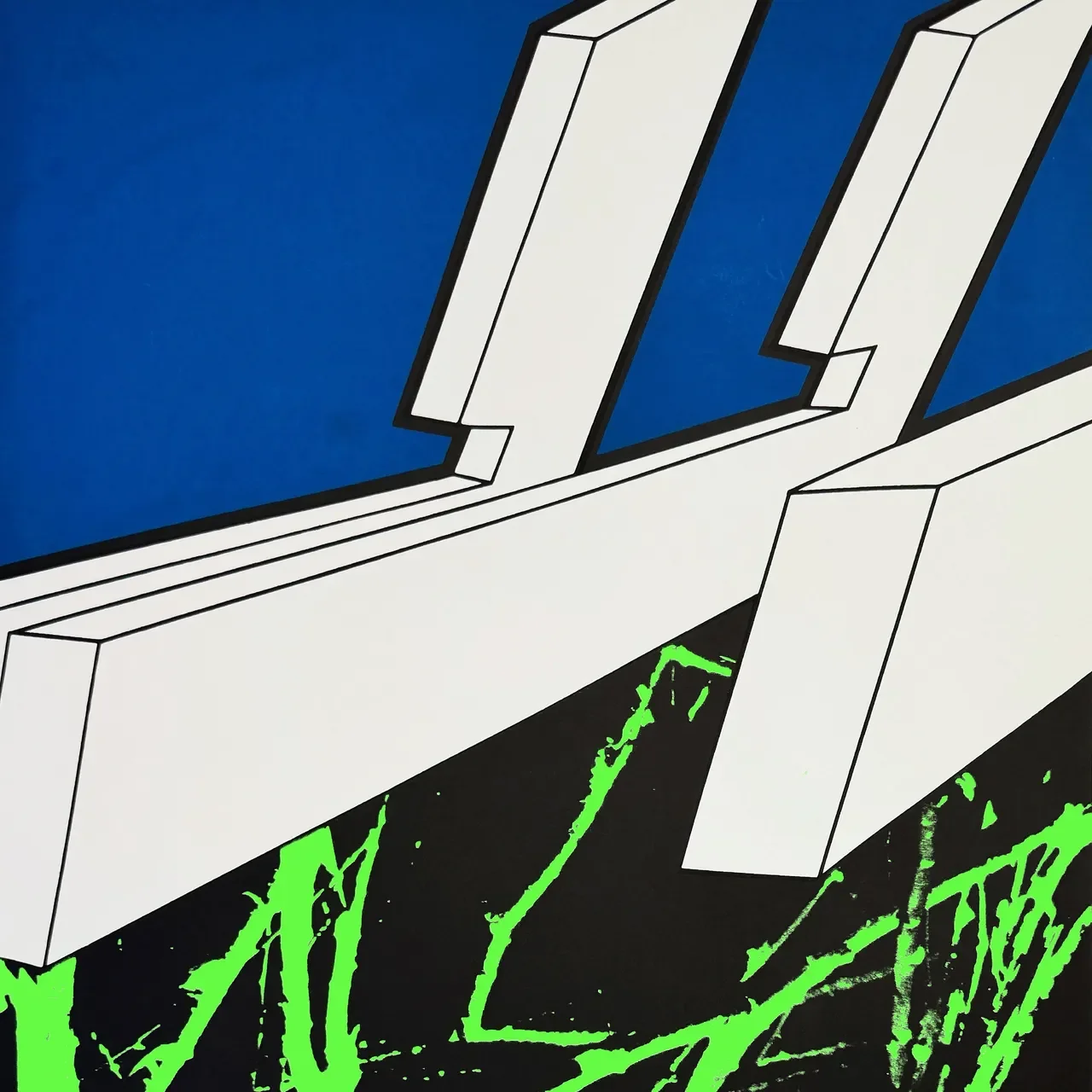
Photo courtesy of Bandcamp
In a fall of firestarter releases, Oneohtrix Point Never’s Tranquilizer stands as a quiet, dazzling return to form for the electronic figurehead. The ambient electronic mastermind behind the elusive animation meme, “There’s Nobody Here,” has recently ventured down ambitious sonic paths, including experimenting with interpolating his own vocals. However, on Tranquilizer, Oneohtrix Point Never rediscovered what made him such a compelling artist: his ability to create soundscapes teeming with wonder. The opening track, “For Residue,” brims with ethereal sounds: waves crashing, glitchy, synthy bird chirps, and robotic vocals mumbling nonsensically, echoing throughout as if you were walking an alien planet’s coast. “Lifeworld” continues the LP’s ephemeral throughline with a much more percussive tilt — overlaid ambient jungle sounds highlights the track’s shimmery percussions. The final track, “Waterfalls,” incorporates the hfleeting sounds of “For Residue” and “Lifeworld,” standing as a five-minute odyssey of nature sounds warring with irresistibly futuristic synthesizers. Tranquilizer is a full-circle moment for Oneohtrix Point Never as he returns to an old sound with new tricks, creating a spellbinding, hour-long album that feels beautifully inhuman. — Zachary Bolash
Getting Killed by Geese
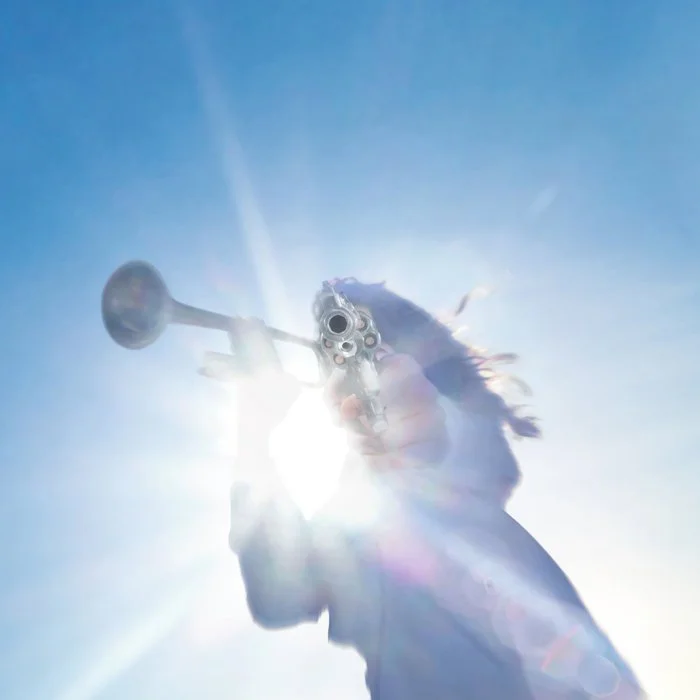
After frontman Cameron Winter’s 2024 Heavy Metal garnered unexpected critical attention, New York collective Geese suddenly had high expectations to live up to. Yet the band easily surpassed them with the equally rocking and groovy Getting Killed. With humorously stark lyrics on top of endlessly enjoyable rock instrumentals, Geese maintains an authentically existential mood all throughout Getting Killed. The album begins with the jarring “Trinidad,” complete with a volatile horn section and the now-iconic lyric, “There’s a bomb in my car!” The band continues to expertly blend sonic influences on tracks like “Cobra,” “100 Horses,” “Islands of Men,” and “Bow Down.” The frantic title track serves as the perfect example of the album’s chaotic instrumentals balanced with vulnerable lyrics, all elevated by Winter’s croaking screams and low-register croons. The record’s biggest hit, “Au Pays du Cocaine,” further shows the band’s versatility with intimate production and subdued vocals, a sharp contrast to the cathartic lead single, “Taxes.” Getting Killed deservedly catapulted Geese to the center of the indie-rock scene after its September release. The album is full of sonic dichotomies and humorously bleak lyrics; on paper, such an eruptive mix of musical influences shouldn’t work, but Geese does it effortlessly. — Valeria Mota
The Crux by Djo
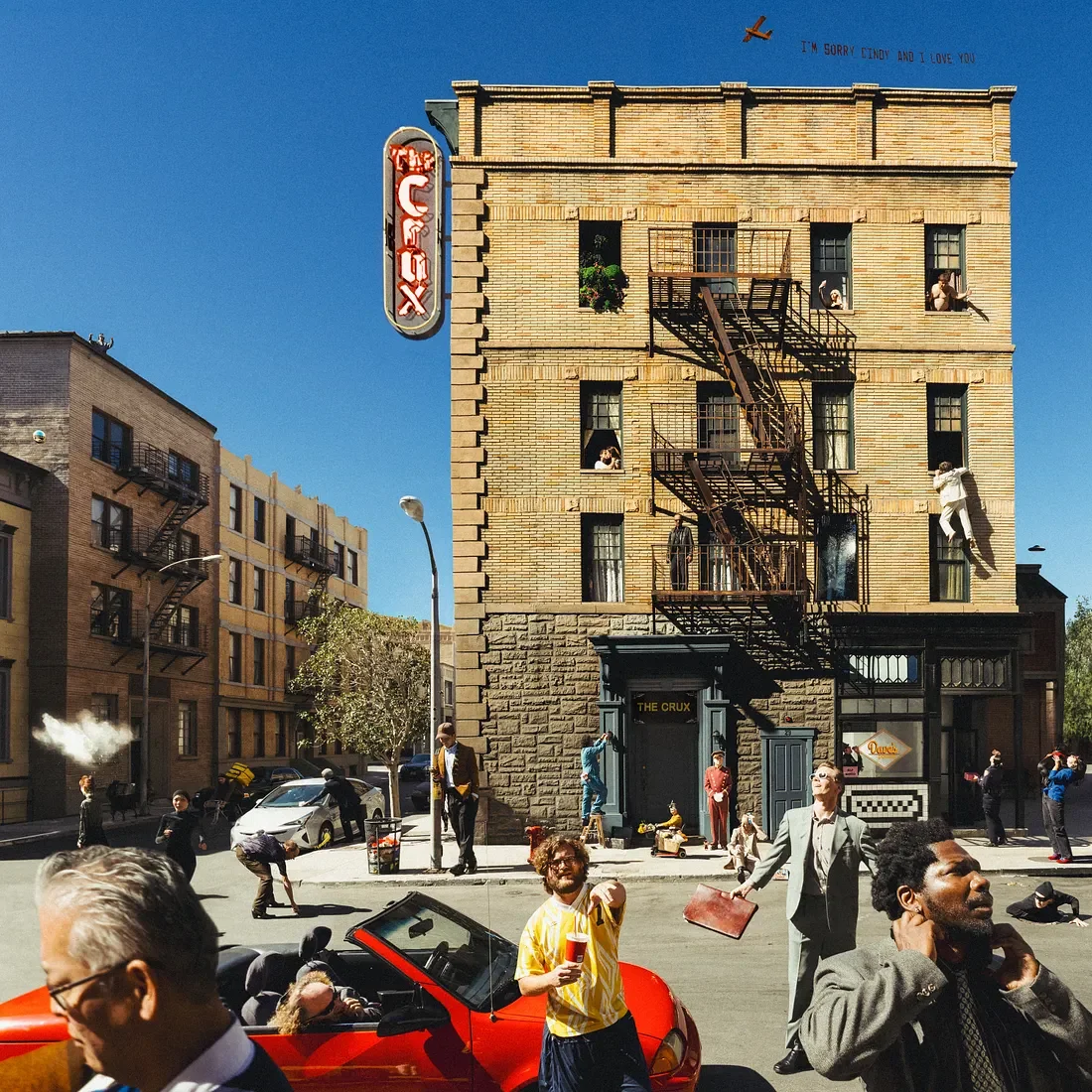
Among the resurgence of indie pop in 2025 is Djo’s third studio album, The Crux. The musical project of actor Joe Keery, Djo is known for synth sounds and retro influences. While that stays true throughout The Crux, the album is Keery’s most introspective yet, dealing with themes of self-resilience, loneliness, and a longing for connection. Slow reverbed piano notes open the album with Keery’s somber vocals in “Lonesome Is a State Of Mind.” before the lively instrumentals of the album pick up. “Basic Being Basic,” “Link,” “Delete Ya,” and “Gap Tooth Smile,” keep up the infectious energy found throughout The Crux while electric guitar riffs and staccato percussion keep the pace. Even though these tracks make you want to do nothing but dance, the slower ballads of The Crux are just as addicting. “Potion” returns to the theme of longing for connection over a rapid acoustic guitar pattern, while “Egg” rifles through Keery’s internal monologue of self-doubt and ridicule. In a complete shift of sound and tone, “Back On You” starts with dreamy harmonization from a choir before jumping into a swing beat, acting as an ode to Keery’s friendships and lifelines: “When life’s plan isn’t shining through / You understand, you help me see it through,” he sings. The final track, “Crux,” wraps the album up perfectly, urging the listener to “Get back to your heart.” After a journey of whimsy and sorrow, isolation and bliss, the final track ties these themes together into a single message about staying true to yourself. The Crux is an indie album unlike any other, shining bright among the numerous releases of 2025. — Claire Hookstra
HONORABLE MENTIONS
45 Pounds by YHWH Nailgun
Virgin by Lorde
Essex Honey by Blood Orange
Son of Spergy by Daniel Caesar
If That Makes Sense by Spacey Jane