
Neoteric Faith: Daniel Caesar’s Bridge Between Religion and Music
As our current world shifts towards a post-religious paradigm, R&B artist Daniel Caesar reclaims the language and passion in his spirituality to frame a hallowed intimacy, sharing his most vulnerable moments with acceptance, leaving many around the world to resonate with his experiences and sound.
Written by Melanie Roman-Naciff
Illustrated by Ana Salgado Soberanes
True faith was never intended to be a pedestal for fear. Rather, the purpose of faith is to build a shared understanding with others. This sense of community has been crafted for centuries across the globe with different customs and practices. Most importantly, community has been made through the beauty in sacred hymns and songs. Daniel Caesar creates harmony between his Christian beliefs and his modern reality, weaving the essence of his own failures into a lyrical vulnerability. With his allusive symbolism relating to principles in his faith, to expressing through his lyricism a prominent devotion towards his Christian faith, his songs are written in a way to show his multifaceted life as he goes on his journey. His music ranges from repenting and criticizing his faith to returning back and falling in love with it all over again. His modern take on religion in music has bridged the current post-dogmatic society, the process of recognizing his sins, and his own turbulent relationship with religion. The reason why Daniel Caesar has made such an impact towards gospel and R&B music is because instead of shunning those who sin, he creates a safe space for exploration in belief while also recognizing our human nature to make mistakes.
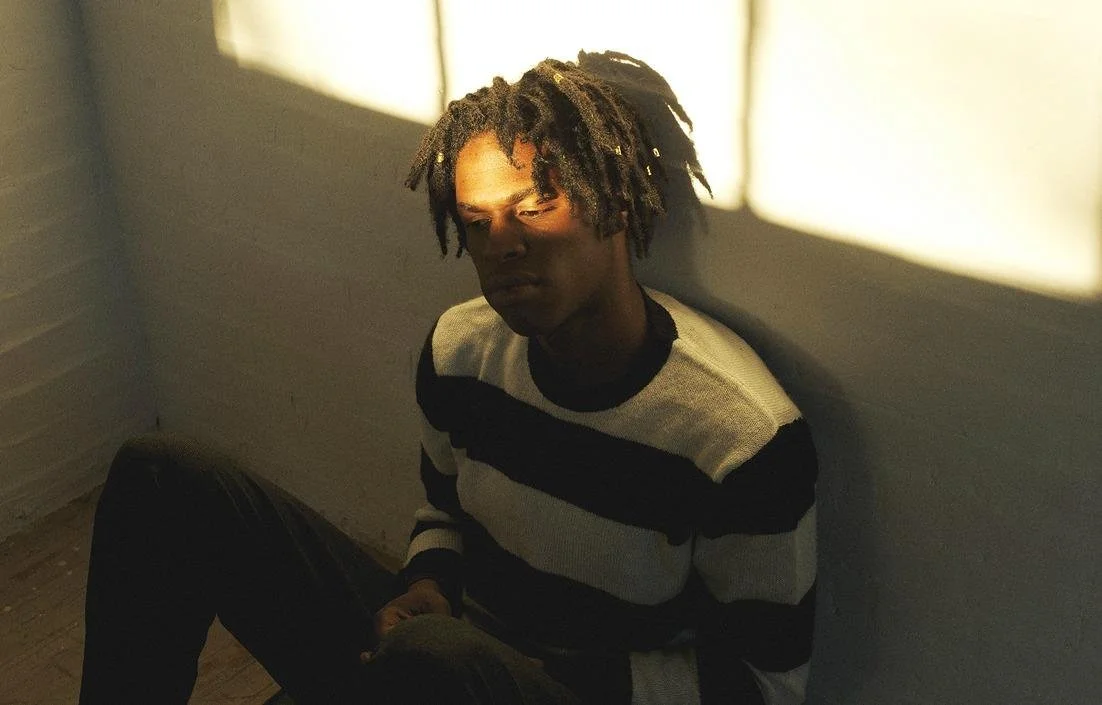
Photo courtesy of Keith Henry
tHE gREAT dISCONNECT
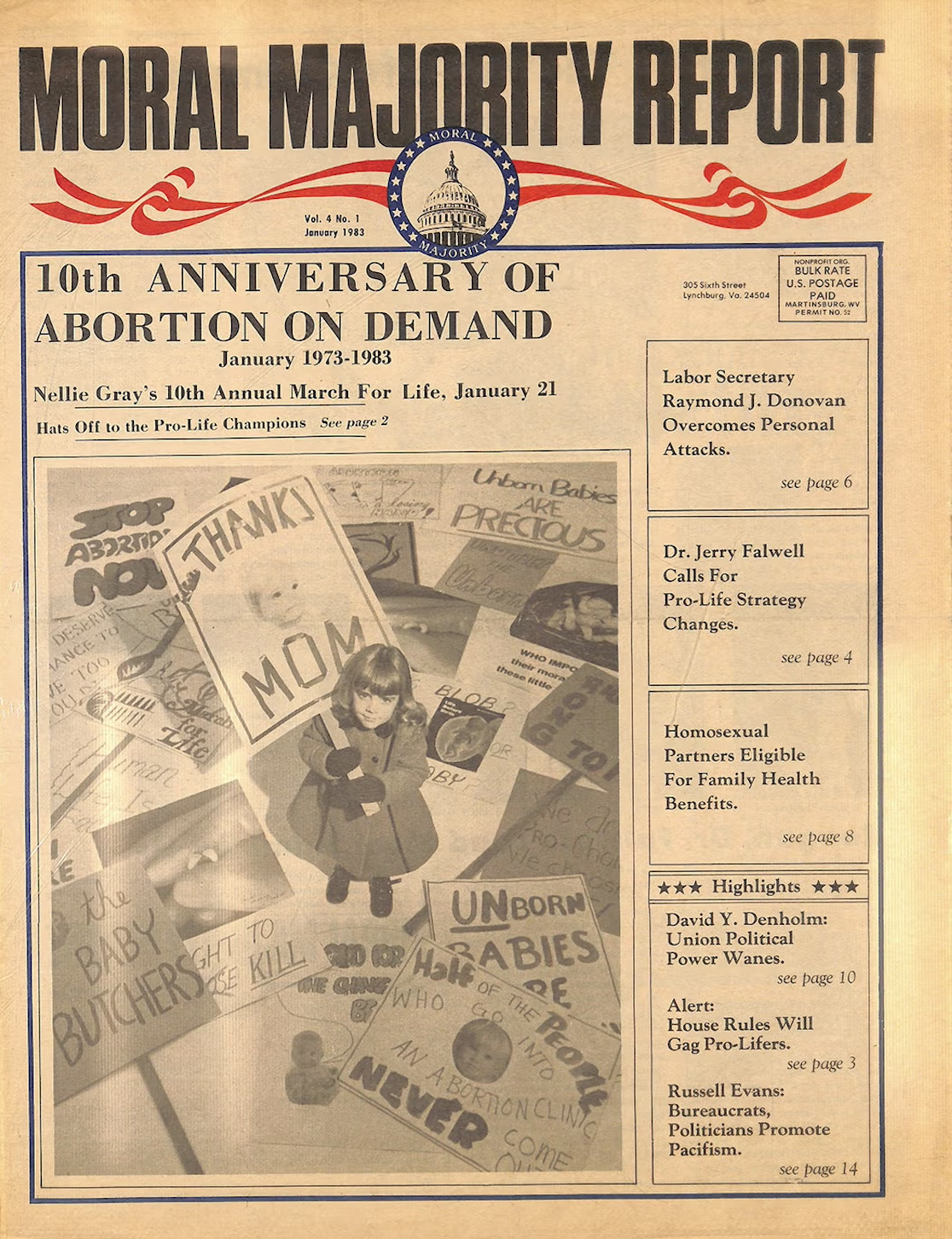
Photo courtesy of JSTOR
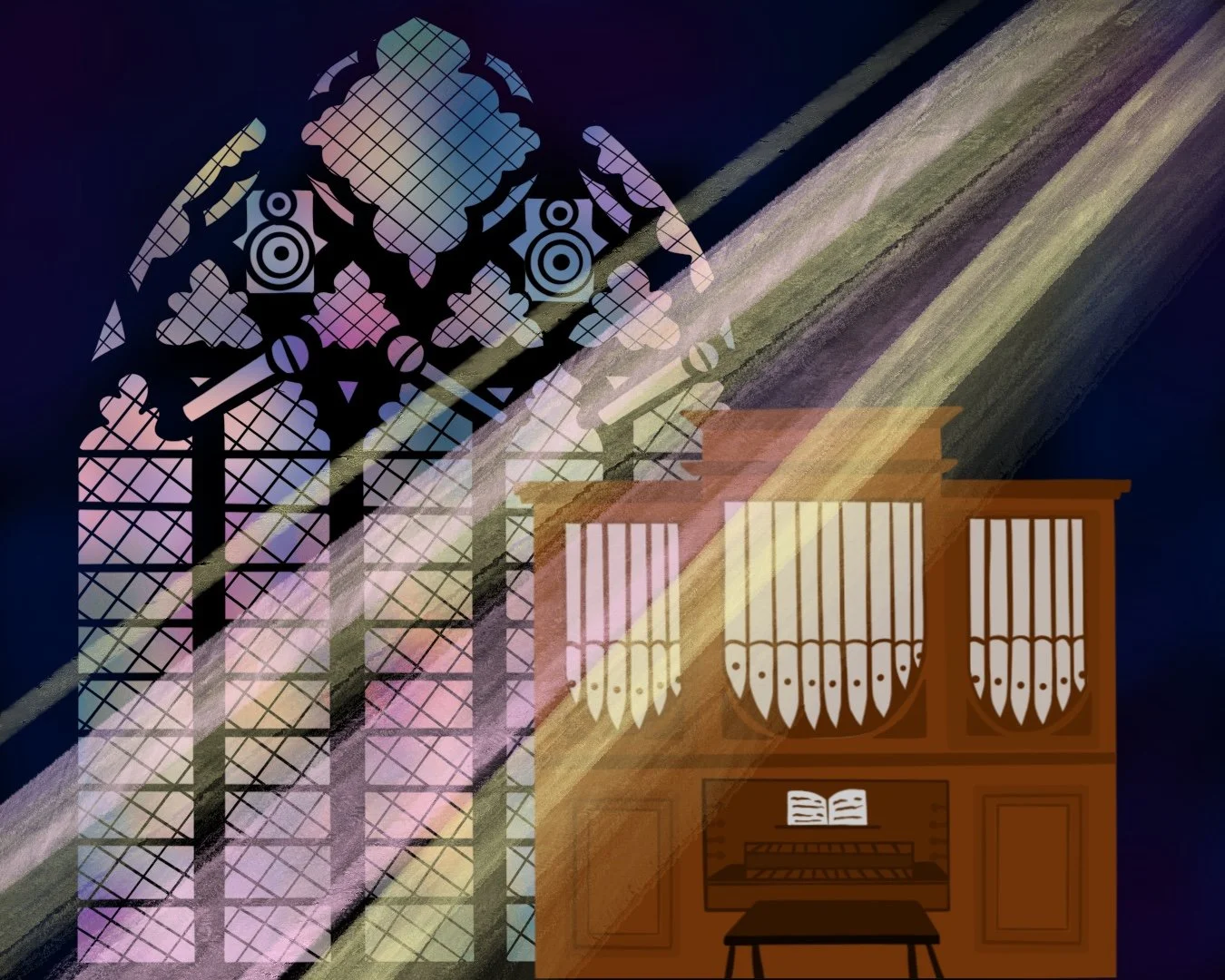
Listening to the hum of an organ as hymns are heard across the room, bouncing off the vibrant stained glass, once was the routine for many churchgoers on Earth. In this current society, the echo of these hymns has faded into a great disconnection, with many losing their faith in their spiritual identity and alignment. In North America, there has been a significant increase in individuals who are religiously unaffiliated, known as “nones,” from a mere five percent in the ‘70s to around 30 percent in 2026. This acceleration stems from the politicization of institutional tradition, such as using the Christian Church to promote the Republican party’s ideals of conservatism in presidential campaigns, which steered people away from truly finding themselves in a community once thought of as a “place for all.” With organizations that promoted a correlation between Christianity and the Republican Party in the United States, many people felt discouraged as their religion became a platform for politics. The rise of the organization “The Moral Majority”, which lobbied for conservative social values and a merge of religious belief with politics, is one of the many reasons why people felt ostracized from their own religion. The exodus was not a rejection of faith by individuals, rather it was a response to the change of fundamental religious standards in the institutions themselves. With many believers feeling shunned from their own community, many were driven away towards a more secular way of living, with a constant search for resonance they no longer have.
A secular psalm
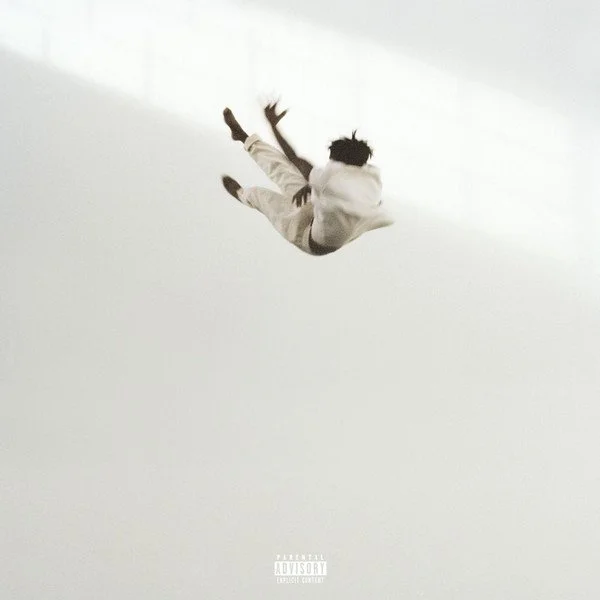
Photo courtesy of Discogs
As politics fracture the feeling of belonging once instilled within faith, Daniel Caesar has created a new sanctuary for religion, crafting a place of resonance and community within this modern society. His music removes the feeling of guilt: instead, it shows his own circuitous journey towards his Christian beliefs. Going through his own musical archive from beginning to end, he tells the story of his path in religion through initial moments of resistance, to eventually the acceptance and love for his faith. In his EP, Pilgrim’s Paradise, Caesar shows his complete disconnect in his faith, with him choosing to pursue his own paradise rather than the Christian-idealized one he grew up with in his religious home in Oshawa, Canada. Like in his song, “Paradise,” Caesar reflects on his displacement, and rather than referencing the exploration of a new city, he is shedding into a new stance in his faith, and reimagining his identity as a person within this secular world. He explicitly shows this new path after his exit through the lyrics “Don’t forget you chose this life / Welcome to your paradise.” The line “I gotta make something for myself, myself,” also adds more to his new conflict amongst his faith and the path Caesar is facing now; walking a journey alone with no one to turn to. Daniel Caesar highlighting how he separated himself from his religion resonates with many, showing a sense of connection to those who feel lost in what their true purpose is. Even further, by creating this juxtaposition of spiritual dissatisfaction and confessional lyricism, like “Surely my sins have me found out” in his song “Death and Taxes,” with his layered harmonies mimicking the effects of a church choir, Caesar is able to create a transition from pure seclusion of religion in listeners, to a place that understands the point they are in their journey of life.
Return to the gospel
Photo courtesy of Republic Records
With his later albums, he continues to sing of his faith and the full 360 he made towards going back to his religious upbringing yet still recognizing his sins and mistakes in life. With his newest album Son of Spergy, Caesar focuses on his reconciliation with his religious father as they were once distanced from their perspectives in faith and their choices in life. In his reflection in the mirror, he sees his similarities with his father and gains peace with that part of him he tried to shun away for so long. By weaving tracks together like “Sins of the Father” and “Moon,” this album shows how Caesar transforms his guilt into reconciliation, revealing how his own search for paradise has never been a straight line, but rather a sinuous path of self-acceptance for every aspect of his faith. This album gives listeners peace of mind as they continue to make mistakes within their life, and shifts the religious perspective back into its true purpose: to create a shared community. By transforming concept religion back into a sanctuary of sound, Daniel Caesar restores the faith of many within religion — not as a tool of judgement, but as a stream towards a sense of self-discovery and modern spirituality for many to resonate and follow in their own, ever-so different ways.