
Setting the Scene: Music in “Empire Records”
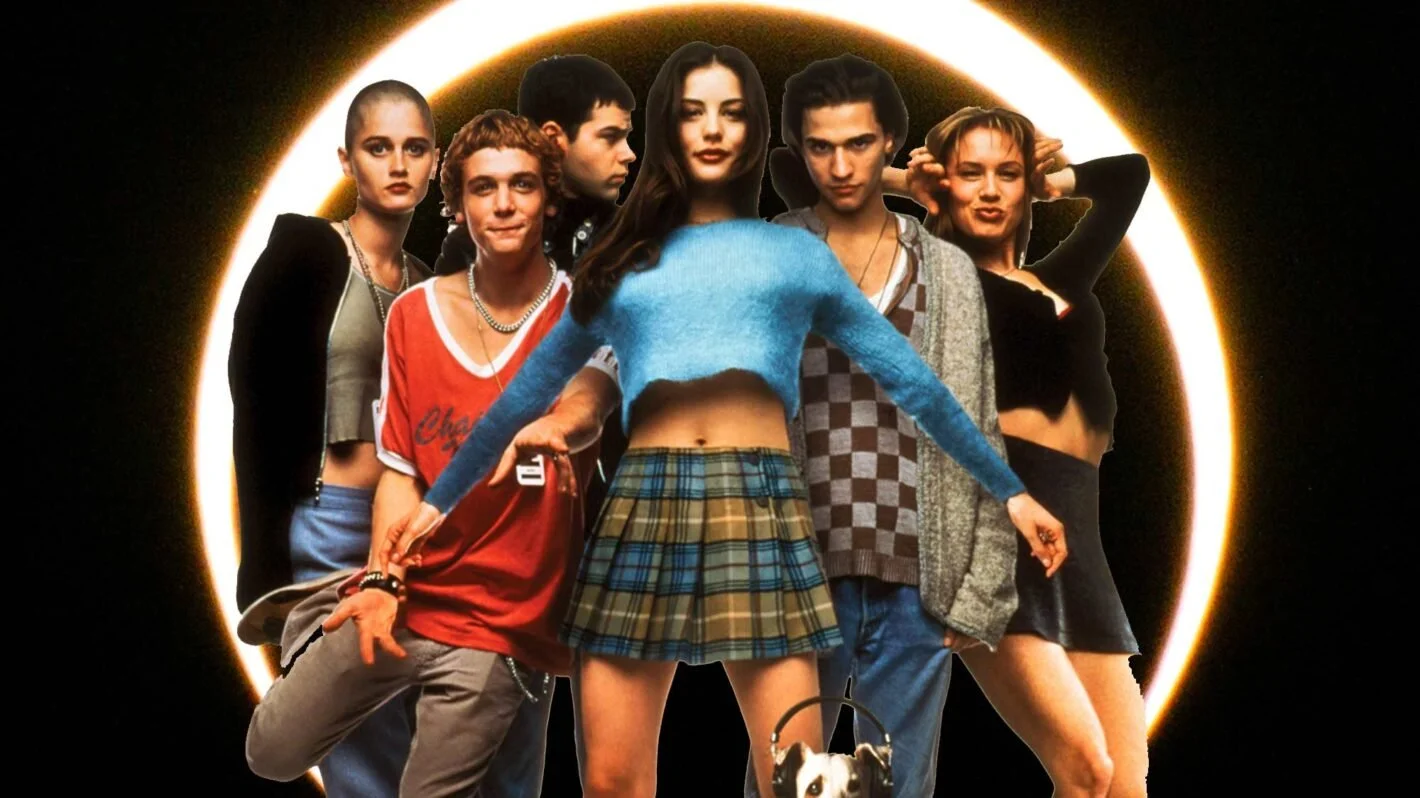
Released in 1995, “Empire Records” focuses on different conflicts regarding the film’s troubled teen characters who share a love for music. The music played throughout the film allows the audience to understand the characters and gain a greater grasp of the perceived, heightened emotions and tensions.
Written by Brooklyn Slie
Warning: Major spoilers for “Empire Records” ahead.
Soundtracks in movies can make or break the film, especially when music is crucial to the movie’s meaning. Not only do soundtracks add emotion to a scene, but they can help the audience gain a deeper understanding of the characters. “Empire Records” stands as a great example of a movie soundtrack’s purpose, as the film follows an independent record store and the edgy, artistic, music-loving teens all facing their own types of turmoil. The majority of the film is about the characters attempting to save the record store from being bought out, while in the process, they facinge their own personal dilemmas.
Music is a crucial aspect to this film, with characters saying that “life is meaningless” without it. Throughout the film, each song contextualizes the movie’s plot, lines from the script, and emotions of the characters, which represents the importance and intention of the soundtrack. This movie doesn’t represent a singular genre, either. From the soft drawl of The Cranberries “Liar” to the upbeat tempo of the Ape Hanger’s “I Don’t Want to Live Today,” the movie features a variety of genres and styles that represent each character. Whether the music is alternative, punk, or pop, it matches the ambiance in each scene. Fast-paced punk-rock plays if a fight occurs, or mellow-emotional music will play if there is a sentimental moment between two characters. Music allows for specific scenes and characters to be understood a certain way because of the way it makes the audience feel.
In the beginning of the film, one of the first songs played is “I Don’t Want to Live Today” by Ape Hangers. The upbeat track has electric guitar, active drums and vocals that bring all the components of the track together. The lyrics are spit out with passion, the combination of the melody and tone of the track represent the chaotic nature that is seen throughout the film. The track sets the scene for the film because the overall conflict throughout is that one of the characters, Lucas, gambles the store’s money while attempting to earn more to save the store from being bought. Throughout the film, Lucas speaks with a lack of emotion and comes off as careless, and his character seems lost and slightly detached from society. The Ape Hangers track represents these feelings within Lucas because the song itself is about being depressed, the lead singer constantly singing “Can you help me?” The track plays as Lucas drives his motorcycle to Atlantic City, preparing to gamble and take a risk that could lose everything. The track draws out the lyrics, “Is something worth living for?” which correlates to Lucas’ careless behavior throughout the movie as Empire Records is the one thing he truly cares about.
The overall energy in the store is represented when the track “Seems” by Queen Sarah Saturday blasts through the store’s speakers as each employee prepares for the store to open. This alt-rock track with rough vocals, heavy guitar, and hard snare of drums brings a sense of comfort to each character, letting them open amongst themselves, even in a silly way. The song represents the characters as a whole through the lyrics by singing about drama and rumors that float around in life, and the evolution of self-identity that can come with having your life put on blast. Each character has an inner conflict, whether it be love, heartbreak, or identity, but this song encapsulates this idea through rough vocals about the “Have-you-heards and / The did-you-knows.”
The film pivots when one of the characters, Deb, enters the store in all-black and looks that could proverbially kill. The slow tempoed rock track “Free” by The Martini’s plays as Deb enters into the bathroom, stares at herself, and shaves the hair off of her head. The audience does not know this character, but the soulful singing about being “Lost somewhere between the earth and the sky” allows the audience to understand that Deb struggles with mental health and self-identity issues. As she shed a piece of herself, looking lost and disassociated with life as the soft-spoken track, with light strums of the guitar and taps of the high-hat add a delicate aspect and emotional piece to the moment. Singer Linda Mallari-Santigo sings about being free, and leaving fragments of her life behind. Deb’s baldness resembles a symbol of being unburdened from the trauma her hair represents. Later, Deb stands in a listening booth when the manager, Joe, finds her with “The Ballad Of El Goodo” by Evan Dando playing softly in the background. The track hums with deep vocals, light harmonies and layers of guitar, singing about being “Built up and trusted / Broke down and busted,” resonating with Deb’s feeling of being let down by certain people in her life. The track is emotional, crying about “Ain’t no one going to turn me around,” which further represents how Deb believes no one is there to help her, while contrastingly, Joe is there as a father figure for reassurance and care for Deb.
Corey, the smart scholar in the film, has made it known since the beginning of the film that she wants to be intimate with fictional star, Rex Manning, who has come to Empire Records for “Rex Manning Day.” This event is to host Manning in the store to sign autographs for fans, while simultaneously causing chaos for the employees. As Corey prepares Manning’s lunch, “Snakeface” by Throwing Muses soundtracks the montage. This track ironically, foreshadows the following scene because while Corey happily dances and prepares to meet Manning, the track backs the scene with sultry bongos and maracas. Singer Kristen Hersh sings intimately about sex, while simultaneously describing sex as evil. This track portends the evil that lies within Manning, as he’s an egotistical character that causes Corey to run off crying with embarrassment. After trying to seduce Manning, he cockily unzips his pants with a smug look on his face, causing Corey to run off in shame. The deep, dark, and passionately sung track “How” by The Cranberries plays while Corey sprints to the roof, crying and tense with embarrassment. The track starts strong with drums and guitar, with feathery vocals singing about “Never before, never again / You will ignore, I will pretend.” The track echoes the scene’s events — while Corey is scolding herself from trying to seduce Rex Manning, A.J. tries to admit his love for her. The song fades but returns as A.J. faces rejection with vocalist Dolores O’Riordan enchantingly singing, “Look, you’re standing alone / Standing alone,” representing Corey and A.J. feeling alone in a time of vulnerability. Both of the characters are mad at themselves in different ways, with the anger and self-deprecation that vibrates throughout the track enhances the feelings of dread.
This scene creates a domino effect, a turning point for the entire movie. Corey’s self-hatred and frustration emits onto other characters, causing conflict between more characters, rather than conflicts within singular characters. Corey takes her anger out on her best friend, Gina, as the two characters fight and spit merciless jabs at one another. The tension is high in all aspects of the film, every character at their wits end between personal drama and the potential loss of the store. Each track in every crucial scene allows the audience to feel the anger and frustration through the screen. Towards the end of the film, Joe is at his final straw after being taunted by Lucas, and “Chew Toy” by Fig Dish blasts through the screen, the powerful smash of drums emitting the anger that Joe exudes. The tense atmosphere is enhanced after the following scene, when Manning exits a storage closet with Gina, spitting out a cocky one-liner. “Hardlight” by Pegboy rumbles as A.J. tackles him to the floor, the anger from Manning’s disrespect and a massive ego taking over. The track is fast, loud, and makes the audience feel the adrenaline pumping through A.J.’s veins. After two scenes with back-to-back fist fights,fast-paced heavy metal, and pounding drums, Gina and Corey argue like their lives depend on it. They scream and cry over the secrets they were too scared to address, and the track “Power Shack” by Fitz of Depression slowly increases in volume, the loud, rumbly feedback and hum of an electric guitar amplifying the heightened emotions and anger that the teens experience. The feedback from the electric guitar feeds into the rapid, relentless hits on the drums. After the blazing altercation with her best friend, Corey loses all sense of restraint. She screams and trashes the store out of anger, the track in the background intensifying the war occurring in her head. The constant repetition of heavy punk-rock and metal tracks allows the audience to feel the tension rapidly occurring in the film. The characters are angry and upset, and the loud metal feeds into their emotions.
The quarrels and strain throughout the film heavily lean towards mental health and drama regarding love and loss. The multitude of conflicts throughout the film comes to an end when the employees host a party in hopes to save the store.After losing all hope to retrieve the lost money for the store, an unproblematic character, Mark, was inspired to host a party to earn the funds for Joe to claim the record store as his own. They have drinks, merch, and most importantly: music. “Sugarhigh” by Coyote Shivers is sung by Burko and Gina, overlooking all of the attendees with happiness as they sing their hearts out in celebration. They are “sugarhigh” on life and a determination that shone through the darkness. Gina overcame her insecurities, A.J. and Corey recognized their love, Deb overcame her journey with self-identity, and most importantly, money was earned for Joe to buy Empire Records as his own.
The soundtrack in “Empire Records” stands out because of its diverse and unique scores in the film. The film’s music helps the audience understand the characters with added context and emotion that only music uncovers. In the end, the psychedelic pop-rock track, “This Is the Day,” by THE THE closes out the film with characters rejoicing. The layering instruments, like the accordion and fiddle, keep the song upbeat and light as an accurate representation of the characters final emotions. The lyrics “You smile and think / How much you’ve changed,” overlays the happy nature of the characters, representing their growth throughout the film. Their lives changed after saving the record store, on the backdrop of classic alternative rock. Music is incredibly influential and heightens any scene, intensifying emotions displayed on screen. “Empire Records” represents music’s purpose by using varying tracks that resemble a character, a moment, or an emotion. Music was created to represent ideas of love, tragedy, and all conflicts regarding any topic or inconvenience. Music can represent personal ideas or common sentiments. “Empire Records” symbolizes the purpose of music by using it to enhance each scene, whether it was to portray anger, sorrow, frustration, or euphoria. Plenty of films have spectacular, intentional soundtracks that add dramatics or intensity to a scene, but “Empire Records” uses music to add a variety of detail to every moment. Music lets you cry, lets you shout, and lets you feel. “Damn the man!”