
Release Radar: November 2025
At the beginning of each month, Afterglow presents a staff-picked list of new albums and singles that left a lasting impression on our ears. For Indigenous Peoples Month, we are highlighting indigenous and Aboriginal artists with glowing releases in November.
Written by Afterglow Staffers

Photos courtesy of Ishkōdé Records, Indigefi, and Frances Carter
Here are our favorite albums and singles released during November 2025. For more reviews of recent releases, check out our review page!
Shiny Singles We Loved This Month:
“Kārearea” — Troy Kingi (with Delaney Davidson)
“Kārearea” is a jazzy, bright track that captures the mystical characteristics of the New Zealand falcon and its importance to New Zealand's indigenous people, specifically the Maori. With almost a Grizzly Bear-esque multi-instrumentalism and vocal delivery, Troy Kingi invites listeners to see the beauty of the bird through tender lyrics like, “Kārearea / We see the king that you are Kārearea / Chase the morning star.” The track is a feel-good listen, and it's also an enriching lesson about New Zealand's Indigenous people. — Zachary Bolash
“Better Than This” — Hayley Wallis
Hayley Wallis is a rising R&B and pop artist from the Kitasoo Xais’Xais Nation in British Columbia, and her new single “Better Than This” exudes her stylistic complexity. Investigating themes of shame, loss of pride, and harsh self-critique, Wallis combats the intense pressure of knowing that she’s “better than this” with the song’s heartening and lively sound. With vulnerable lyrics like “I guess I feel ashamed / ‘Cause I really need to cry,” she brilliantly supports emotional clarity and the sensitivity of the soul. — Rachel Yost
“Call Me When You’re Sober” — Tony Toosick
“Call Me When You’re Sober” narrates singer Tony Toosick’s celebration of his four-year long sobriety, dedicated to “anyone who’s lost someone due to addictions.” He describes how he was dragged away from powwow dancing as a young, Indigenous adolescent and driven down a dark path that he’s only recently escaped from. “Call Me When You’re Sober” is a mellow, acoustic-heavy track that incorporates R&B-style vocals and acts as the calmer counterpart to his typically rap-heavy discography. Toosick bridges toughness and vulnerability by using “Call Me When You’re Sober” as a powerful departure from his fast-paced, high-energy musical modus operandi. — Veronica Martin
Glowing Albums & EPs We Loved This Month
Girl, In A Savage World by Theia

Photo courtesy of Frances Carter
Indigenous Ngāti Tīpā artist Theia revisits the generational traumas of colonization and whitewashing in her recent release, Girl, In A Savage World, by delicately walking a tightrope between folk, pop, and R&B. The opening track, “Holy War,” provides a hymnic opening to the LP through the artist repeating phrases in her mother tongue: “I riro whenua atu, me hoki whenua mai / I riro whenua atu me, hoki whenua mai” (“Since land was taken, land should be given back / Since land was taken, land should be given back).” Theia then makes a bassy pivot to English where she exclaims, “My country, she burns, it’s a holy war / We cannot return where we were before.” It is these tender lyrics, accompanied by a bass line, that make Girl, In A Savage World so compelling: It captures the cognitive dissonance indigenous people experience in broader society, namely the code-switching many Native Americans deploy to fit in with non-Native society. Moreover, on another standout track, “HINE-NUI-TE-PŌ,” Theia brandishes rocky instrumentals as her soft soprano glides over the track. She tenderly sings, “I do not rage, I do not plead / I caught the lie, I crushed the seed.” Here, the cognitive dissonance Theia experienced on the earlier song has evolved into a full-on impressive display of rage at the indigenous plight of having to endure suffering and oppression. Theia’s “Holy War” is an impressive showcase of her artistic canon but also a somber reflection on her tribe’s turbulent history. — Zachary Bolash
Support Theia on Spotify and Apple Music
Forget-Her-Not by Witty Youngman
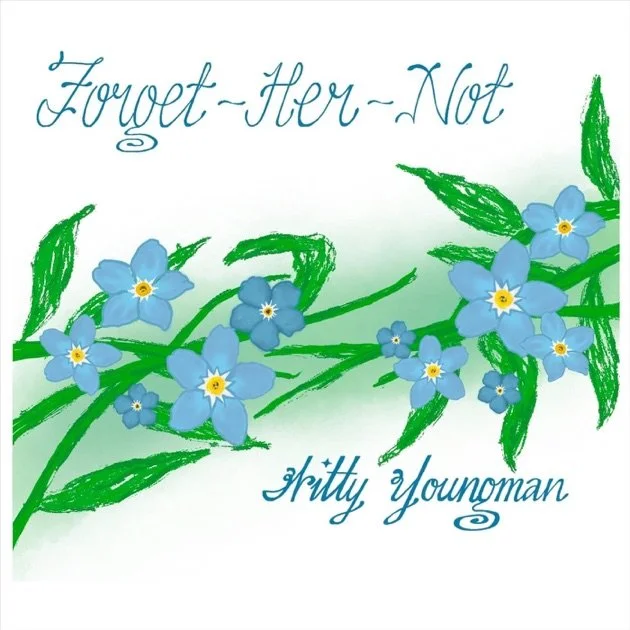
Image courtesy of Witty Youngman
In her debut EP Forget-Her-Not, Witty Youngman yearns for the comfort of home. In just six tracks, the Alaskan two-spirit artist bears her soul in a quaint yet expository manner, ranging from subjects of indebted love and sensuality to missing Indigenous women. The opening track, “To You,” is an ode to formative figures in the Youngman’s life. Twangy strumming on an amplified acoustic guitar is the first sound that meets the listener’s ears. Accompanying this old country instrumentation are lyrics full of admiration and gratitude to her family, as Youngman sings, “No love so true / I owe who I am to you.” Through her scatting and sweet personal anecdotes, the artist introduces her gracious personality. Taking a striking turn, the EP’s title track addresses a serious problem. “Forget-Her-Not” is about the hurt and fear Youngman faces in an age where violence against Indigenous women is so prevalent. The piece is underlyingly ominous, but also commanding and sorrowful. Over the mellow guitar and smooth-tempoed drum beats, she declares that her “Heart is sick of worrying / If my little sister’s gonna make it home.” She is still deeply vulnerable while also displaying her creative range by switching the tone of the EP from nostalgic and comforting to somber and serious. “Mista Mr.” is a standout song due to its sonic uniqueness. Synthesizer opens the piece, and pure sensuality follows. Youngman addresses “Mr. Jameson,” and through the silky vocals and jazzy drums, she declares that “It’s always a good time with you / I always make it home.” The artist imbues attraction into this song, but once again returns to her one true desire: to always make it home. This track supports the notion that Forget-Her-Not is beautifully diverse in its sound, yet also consistent in its effort to express the incomparable comfort of home. — Rachel Yost
Support Witty Youngman on Spotify and Apple Music
Siibii by Siibii
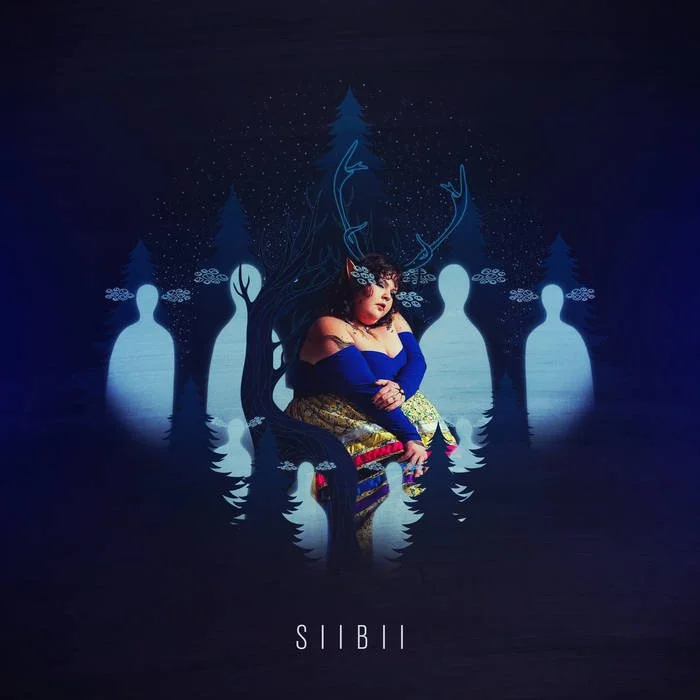
Image courtesy of Bandcamp
Siibii is an anthology of energetic pining. Throughout the album, the artist masks their romantic mourning with lively beat drops and powerful supporting rhythms that make the listener overlook lyrics such as "I know those hands, I’ve heard your lies” and “you were my dream, and now you’re my nightmare.” “YOY,” listeners’ introduction to the album, tells of executive dysfunction behind a synth chorus. A frighteningly catchy beat and pop-like flow carry the listener along a gilded lament of the woes of depression and the mental anguish that comes with it. This dichotomy urges the listener to both dance and reflect, a fascinating twist on typical songs of sorrow. The rest of the album follows the same theme of deeply pensive lyrics accompanied by dynamic beats, allowing the artist to verbalize their strife while creatively straying from the mainstream template of wistful, gloomy composition. “User” carries a vindictive tone backed by a high tempo and a strong beat. Lyrics such as “Thought I could trust you” and “Never will I ever make the same mistake again” direct the artist’s accusations to an unknown perpetrator, expressing resentment towards actions that Siibii only vaguely identifies. “User” takes on an indicting tone, whereby the artist thoroughly and cathartically holds the subject accountable for being a “user.” “Victory” is a calming ode to Siibii’s Indigenous heritage. The artist is proudly Eastern James Bay Cree and has proclaimed that their songwriting is often about their experience of living on a reservation and the struggles that accompany it. “Victory” uses soft drum beating as the backdrop for a soothing recitation of what are likely Cree lyrics, aligning with Siibii’s Cree roots. The piece is powerful yet peaceful, lulling the listener with balladry to which the artist adds a slight echo. Each line’s reverberation makes the listener feel as if they are in the open air outdoors. Siibii’s ability to tell tales of headache wrapped in a synth bow makes it no surprise that they’re an artist on the rise. Few artists can force listeners to confront heartache, fewer can do it to an infectious pop beat. — Veronica Martin
Support Siibii on Spotify and Apple Music